Tolu Coker × Topshop — The Collaboration That Matters
Tolu Coker's collaboration with the relaunched Topshop — IMAGINE Magazine on why this is the fashion partnership that defines the current British moment.
When Topshop announced its return, the fashion press was sceptical. The brand's death — caused by the collapse of the Arcadia empire — had felt final in a way that high street closures rarely do. Too many people had too many memories of the Oxford Street flagship, of the queues for Kate Moss collaborations, of Saturday afternoons spent on those floors. Coming back risked cheapening all of that.
Why Tolu Coker changes the equation
Tolu Coker is perhaps the most culturally embedded British designer of her generation — her work is inseparable from the communities, music scenes and political histories that shaped her. A collaboration with Topshop is not, in her hands, a commercial exercise. It's an act of reclamation: British fashion returning to British culture with something genuine to say.
"Fashion at its most powerful is when it serves people who actually need clothing, not just people who collect it."
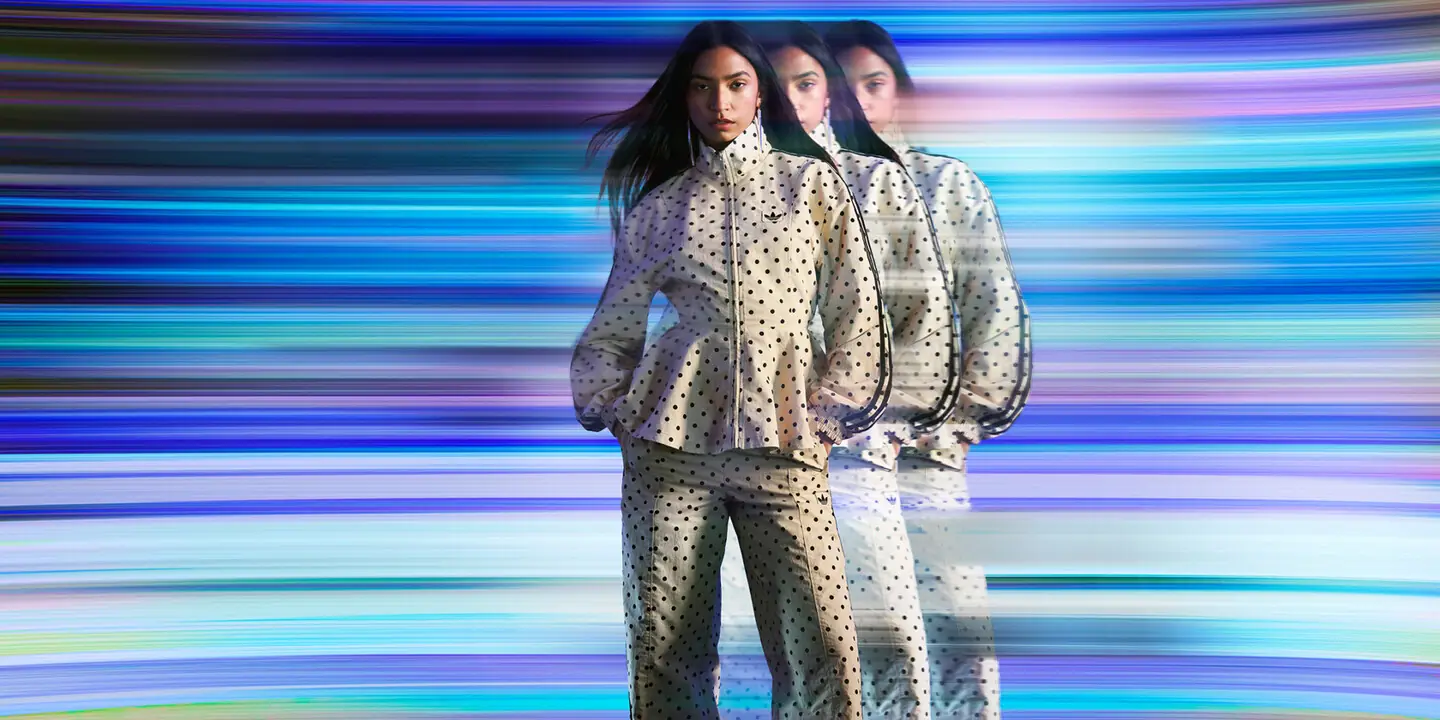
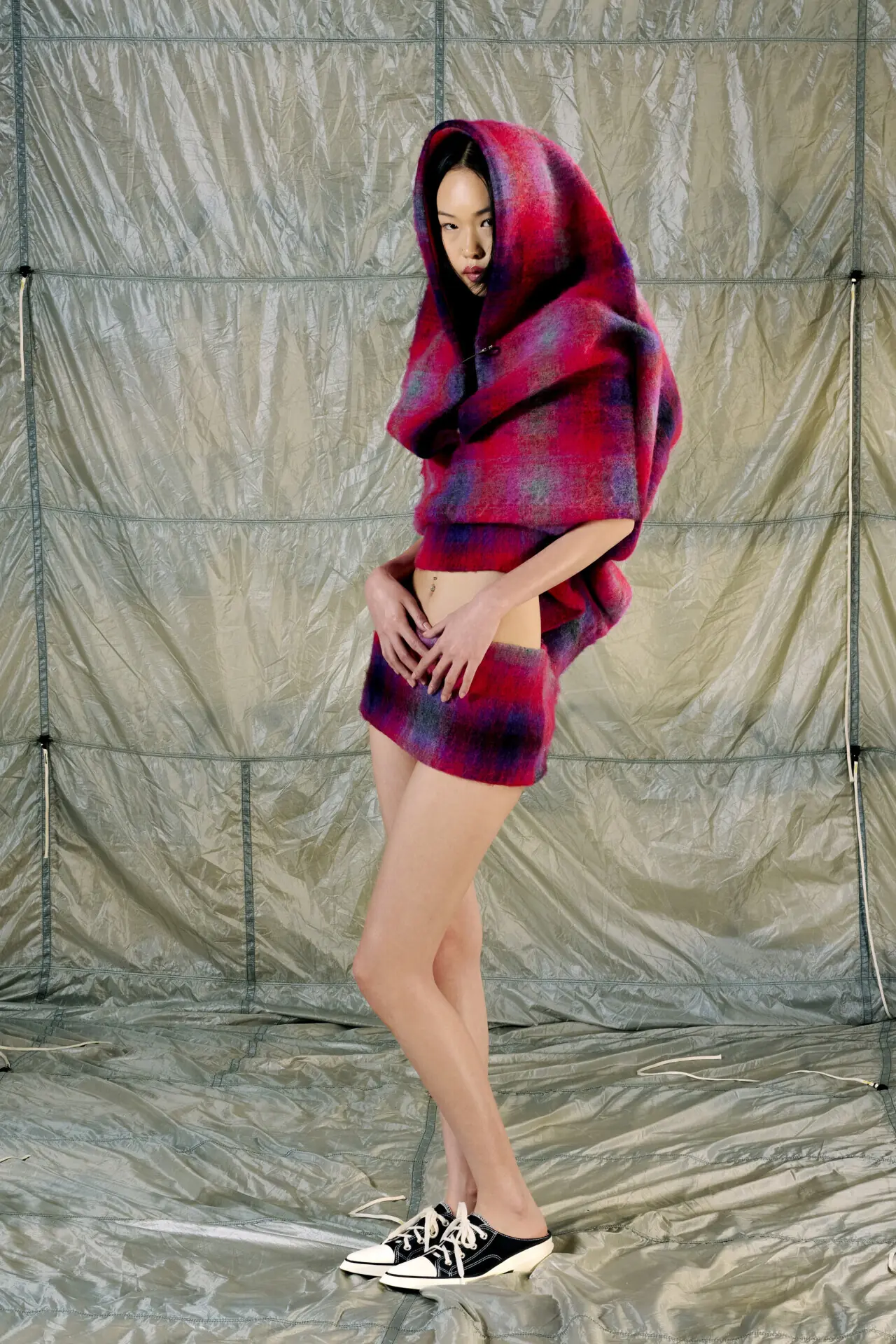
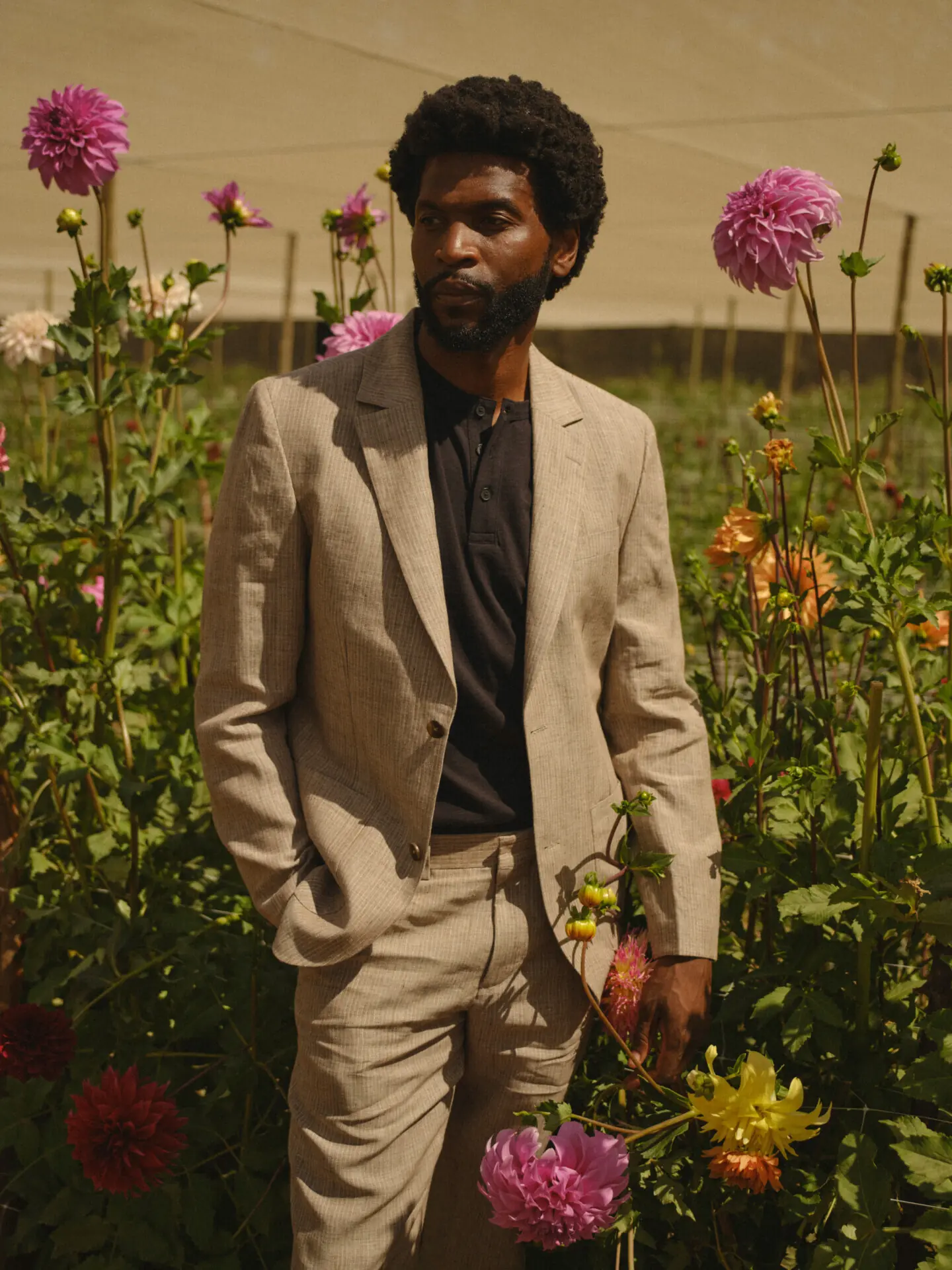
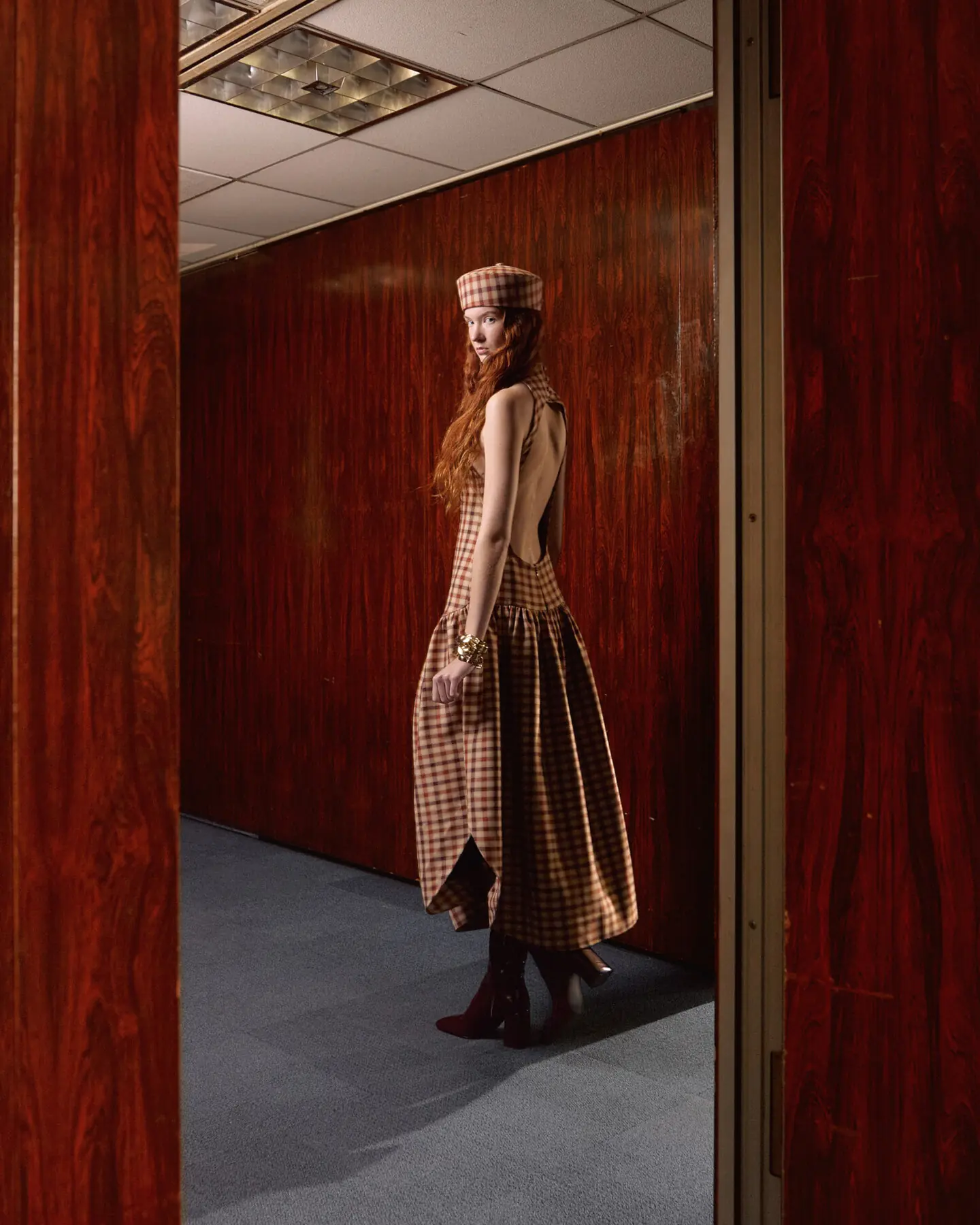
The collection reflects this philosophy. Prices are deliberately accessible — the most expensive piece sits well under £200 — and the silhouettes are designed for bodies that are actually going out into the world, sitting on the tube, going to work, dancing. The tailoring is relaxed in the way that only very good tailoring can be relaxed: structured enough to hold a shape, loose enough to actually live in.
The bigger picture
Huw Gwyther has been involved in developing a Topshop magazine — a project that IMAGINE's team brings editorial intelligence to — and the Coker collaboration sits perfectly within that vision of what Topshop's second chapter could be: democratically priced, creatively serious, culturally relevant.